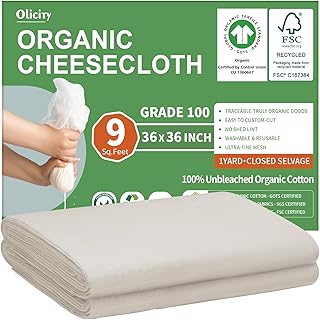
For centuries, cheesecloth has been a humble yet indispensable tool in kitchens and workshops around the world. This simple, woven cotton fabric is far more versatile than its name suggests. While its primary historical use was in cheesemaking—for draining curds and forming wheels—today's cooks, bakers, and crafters have found countless applications for this breathable, reusable material. Whether you're clarifying butter, straining homemade nut milk, or creating a delicate fabric for a craft project, having the right cheesecloth on hand can make all the difference.
Understanding Cheesecloth Grades: From Loose Weave to Ultra-Dense
The key to selecting the perfect cheesecloth lies in understanding its "grade," which refers to the thread count and tightness of the weave. Grades typically range from 10 (very loose and open) to 100 (ultra-fine and dense). For most culinary tasks that involve straining fine particles, Grade 100 cheesecloth is the gold standard. Often called "butter muslin," its tight weave ensures that even the tiniest solids are captured, leaving you with crystal-clear broths, smooth sauces, and fine cheeses. Products like the Cotton Farm Grade 100 XL Cheese Cloth exemplify this ultra-dense quality, making them ideal for serious food preparation.
Key Features to Look For in a Quality Cheesecloth
When shopping for cheesecloth, several features determine its quality, durability, and suitability for your needs.
Material and Certification: Always opt for 100% cotton cheesecloth. Unbleached, natural cotton is preferable for food contact as it contains no chemical residues. For the eco-conscious, Organic Cheese Cloths with GOTS certification offer peace of mind, ensuring an organic product from field to fabric.
Hemmed Edges: This is a crucial feature for reusability. Raw, cut edges fray and unravel quickly with washing. Look for cloths with hemmed or closed edges, like the 12Pcs Reusable Cheese Cloths with hemmed 4 edges. This simple detail extends the life of your cloth significantly, making it a more sustainable choice.
Size and Pack Quantity: Cheesecloth comes in various precut sizes. Common sizes include 20"x20" for batch tasks like straining yogurt or cheese, and larger 36"x36" sheets for big projects or cutting to custom sizes. Consider how often you'll use it; a multi-pack like the 6-Pack Beige Cheesecloth or the Mostdream 10-piece pack ensures you always have a fresh one ready.
Culinary Uses: Beyond Just Cheese
The culinary applications for cheesecloth are nearly endless. It's a true cooking essential.
Straining and Clarifying: This is its classic role. Use it to strain yogurt to make Greek yogurt or labneh, separate curds from whey in cheesemaking, clarify butter or broths, and squeeze pulp from homemade nut milks or juices. A fine Grade 100 cloth is essential here.
Herb and Spice Sachets: Create a bouquet garni by tying herbs like thyme, parsley, and bay leaves into a small square of cheesecloth. It's perfect for stews, soups, and stocks, allowing flavor to infuse without leaving behind stray leaves or stems.
Turkey and Meat Preparation: A dampened cheesecloth soaked in butter or oil and draped over a turkey breast during roasting helps baste the meat and prevent the skin from burning, resulting in a beautifully golden and moist bird. This is why many packs, like the 6 Pcs Cheese Cloths for Straining, specifically mention cooking turkey as a use.
Steaming and Poaching: Lightly woven cheesecloth can be used to create a pouch for delicate fish or vegetables for gentle steaming, or to wrap fragile items like poached eggs.
Creative and Household Uses
The utility of cheesecloth extends far beyond the kitchen. Its soft, malleable, and breathable nature makes it a favorite for DIY enthusiasts.
Crafting and Decor: Cheesecloth is perfect for creating ghostly Halloween decorations, dying for rustic fabric projects, or using as a base for papier-mâché. Its loose weave takes dye and paint beautifully. As a crafts fabric, it's inexpensive and easy to work with.
Cleaning and Polishing: Its lint-free quality makes it excellent for polishing glass, silver, and other fine surfaces without leaving streaks or fibers behind.
Gardening: Use it to protect young seedlings from pests or as a gentle tie for staking plants.
Care and Maintenance: Making Your Cheesecloth Last
One of the greatest benefits of modern cheesecloth is its reusability. To care for yours, rinse it immediately after use in cold water to remove food particles. For a deeper clean, hand-wash or machine wash on a gentle cycle with mild detergent. Avoid fabric softeners, as they can coat the fibers and reduce absorbency. Always air dry. With proper care, a high-quality, hemmed cheesecloth can be used dozens of times. For more detailed tips on selection and care, check out our comprehensive Cheesecloth 101 guide.
Whether you are a seasoned chef embarking on DIY cheese making, a home cook looking to perfect your gravies, or a crafter in need of a versatile textile, investing in good-quality cheesecloth is a smart move. From the organic, GOTS-certified option to the reliable GoodCook Everyday Cotton Cheesecloth, there's a perfect type for every need. Explore the full range of uses and find the best cloth for your projects to unlock a new level of creativity and efficiency in your kitchen and home.